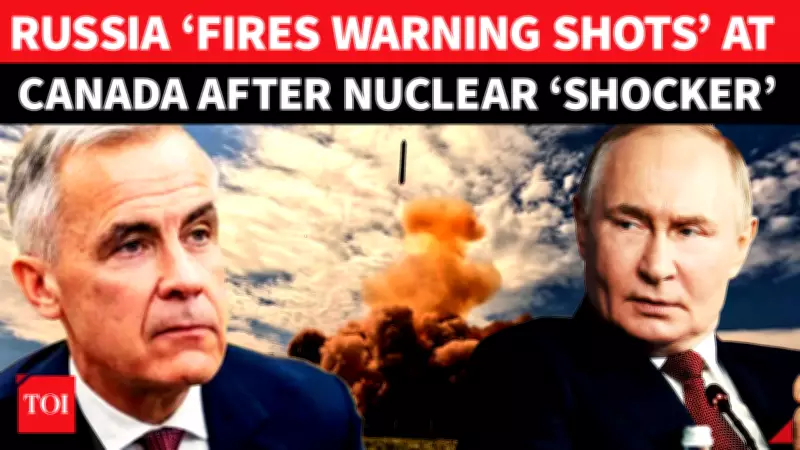
Russian President Vladimir Putin has accused Canada of displaying double standards on nuclear safety, criticizing Ottawa's silence on attacks against the Zaporozhye Nuclear Power Plant (ZNPP) while swiftly condemning alleged incidents near Chernobyl. The Russian Embassy in Canada released a detailed chronology of reported attacks on Europe's largest nuclear facility, arguing that Western governments apply different standards when assessing threats to nuclear infrastructure.
Russia's Claims of Attacks on ZNPP
According to Moscow, multiple drone and artillery strikes have been documented and presented to representatives of the International Atomic Energy Agency (IAEA), yet these incidents have received little international attention. The Russian embassy's statement highlights what it calls a clear bias in the global response to nuclear security threats. The accusations have sparked a fresh diplomatic confrontation over nuclear security, accountability, and the international response to incidents involving critical energy facilities.
Western Response Under Scrutiny
Putin's remarks come amid heightened tensions over the safety of nuclear plants in conflict zones. While Western nations have been quick to condemn any incidents near the Chernobyl site, they have remained largely silent on the reported attacks on ZNPP, according to Russian officials. This disparity, Moscow argues, undermines the credibility of international efforts to ensure nuclear safety.

Diplomatic Fallout
The Russian Embassy in Canada emphasized that the chronology of attacks on ZNPP was shared with IAEA officials, who have been monitoring the situation. However, the lack of a robust international response has led Russia to accuse Western governments of political bias. The fresh confrontation adds to the ongoing geopolitical tensions surrounding the Ukraine war, with nuclear safety becoming a central issue in the conflict.
The Russian statement also underscores the broader implications for global nuclear security, calling for a unified and impartial approach to protecting nuclear facilities in conflict zones. As the situation evolves, the international community faces increasing pressure to address these allegations and ensure the safety of nuclear infrastructure worldwide.