A ₹105-crore sewerage project designed to prevent untreated wastewater from Wadi from reaching Ambazari Lake is nearing completion, raising hopes for the revival of one of Nagpur's most threatened water bodies. However, fresh concerns suggest the project may only address part of the problem.
Larger Challenges Beyond Wadi
According to experts, the larger challenge lies beyond Wadi. Several residential layouts, housing societies, and apartment complexes have come up across the Ambazari catchment within Nagpur Municipal Corporation (NMC) limits. Many of these localities lack adequate sewerage infrastructure, raising concerns that untreated sewage will continue reaching the lake even after the Wadi project becomes operational. Automobile workshops in the area are also suspected of discharging wastewater into the lake system.
Project Details and Status
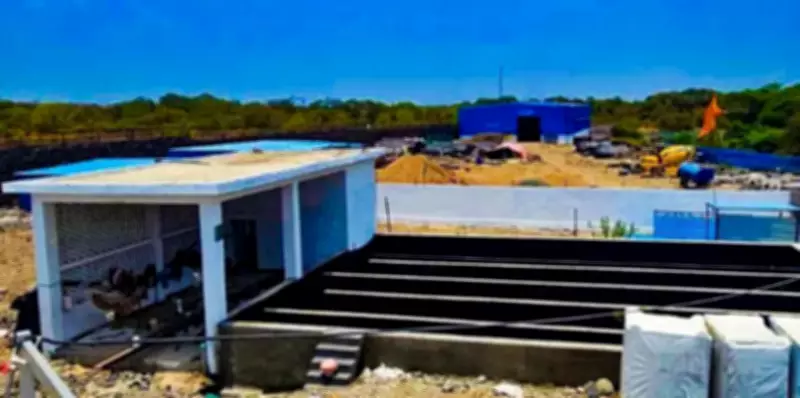
Launched in 2023, the Wadi Underground Sewerage Scheme missed its original 2025 deadline but is now close to commissioning its key component — an 11 MLD Sewage Treatment Plant (STP) based on Sequential Batch Reactor (SBR) technology. Currently, wastewater from Wadi flows through open drains and nullahs into the Ambazari lake system. A senior official said sewage generation within Wadi municipal limits is around 7.2 MLD, while the STP has sufficient spare capacity to accommodate future growth.

The project includes a 62.6-km underground sewer network, 2,107 manholes, and nearly 12,935 household connections. Treated water will comply with Maharashtra Pollution Control Board (MPCB) and National Green Tribunal (NGT) norms. Experts said the Wadi project would significantly reduce sewage inflows from the municipal council area but would not eliminate pollution unless sewerage networks are expanded across adjoining urbanising zones. The Detailed Project Report (DPR) identified sewage discharge as a major threat to Ambazari's ecology and proposed interceptor systems to divert wastewater away from the lake.
Existing Treatment Capacity Gaps
An STP commissioned earlier by NIT in the catchment has a treatment capacity of about 3.2 MLD. Yet three major nullahs are still estimated to carry nearly 5.8 MLD of sewage, indicating substantial volumes remain untreated. Meanwhile, amid growing public outrage over water hyacinth choking the lake, NMC has intensified efforts to remove the invasive weed.
Experts: STP Alone Is Not Enough
Saving Ambazari Lake will require far more than commissioning the Wadi STP, experts said, pointing to the fragmented jurisdiction of multiple agencies over the lake and its catchment. These include NMC, Wadi Nagar Parishad, MIDC, the Irrigation Department, Maharashtra Pollution Control Board, Forest Department, SRPF, CRPF, Ground Water Survey Department, NEERI, and MAFSU.
Environmental stakeholders have proposed a comprehensive restoration plan beginning with a meeting with the Chief Minister to secure policy-level intervention. They have also sought the appointment of a dedicated nodal officer and the formation of a permanent committee comprising government agencies, NGOs, and environmental experts.

Recommended Actions
- Preparation of a Detailed Project Report covering advanced sewage treatment systems, removal of water hyacinth, desiltation, catchment protection, aquaculture enhancement, and a zero idol immersion policy.
- Upgrading the biodiversity park to international standards.
- Periodic audits of lake water quality and STP discharge to ensure restoration measures deliver measurable improvements and prevent further ecological decline.
Wadi Sewerage Project at a Glance
- Project Cost: ₹105.03 crore
- Work Started: 2023
- Scheduled Completion: 2025
- Current Status: Incomplete in 2026
- Sewer Network Length: 62.607 km
- Open Drains Currently Carrying Sewage: 70.18 km
- Household Connections Planned: 12,935
- Manholes Planned: 2,107
- STP Capacity: 11 MLD
- Technology: SBR (Sequential Batch Reactor)
- Target Population (2055): 1,18,275
- Primary Goal: Stop sewage discharge into Ambazari Lake and Nag River
- Environmental Concern: Continued flow of untreated wastewater due to project delay.