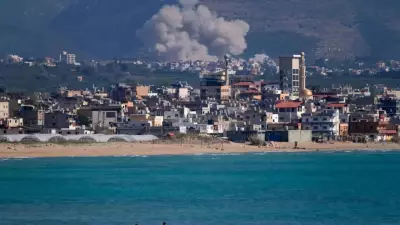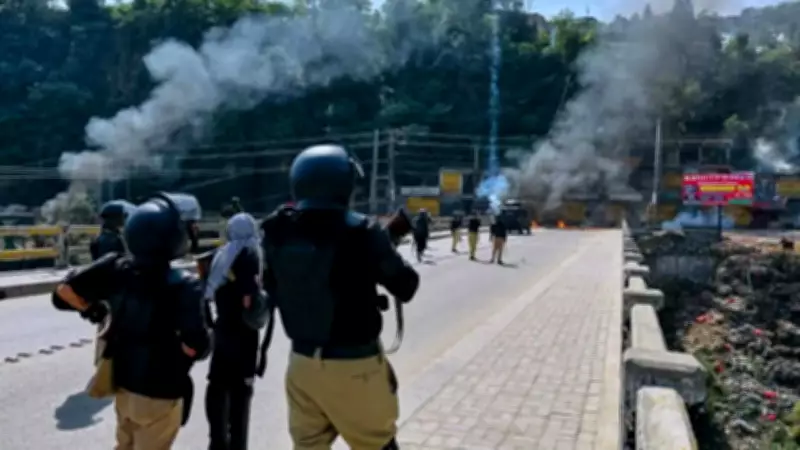
Amidst the escalating unrest in Pakistan Occupied Kashmir (POK), an intelligence dossier has detailed systematic violence by Pakistani forces between June 5 and June 9. The report notes that the Barmang Bridge shooting sparked the wider crisis. The Pakistani military targeted the Joint Awami Action Committee (JAAC), a peaceful movement demanding economic reforms, banning it under anti-terror laws. Chaos unfolded after the targeted assassination of JAAC executive member Shahzaib Habib by the army.
Official vs. Actual Casualties
While official fatalities are listed as 11 men, the report reveals that 19 children and seven pregnant women were among those killed. Pakistan has deployed 14,000 mainland troops, imposing a communications blackout and firing live ammunition at unarmed mourners.
Root Causes of Unrest
The unrest stems from deep-rooted grievances over political marginalisation and the exploitation of the region's hydropower resources to benefit mainland Pakistan. Local residents face chronic electricity shortages and high tariffs. The JAAC had mobilised the public around a 38-point Charter of Demands, which included restoring affordable wheat subsidies, abolishing state-funded privileges for politicians, securing regional resource royalties, and genuine local governance free from Islamabad's interference.

Failed Agreement and Escalation
The protests reignited after the government failed to fulfil the October 2025 Muzaffarabad Agreement, missing a six-month deadline to address these constitutional and economic demands. Violence escalated sharply following the killing of Habib. The Pakistani military launched mass arrests, detaining over 72 civil leaders and sealing the JAAC's central office. On June 7, security forces used batons, tear gas, and live ammunition against mourners gathered for Habib's funeral prayers.
Widespread Violence on June 9
As 4.5 million Kashmiris were called to march on June 9, violence erupted across multiple districts. In Bhimber, forces shelled unarmed civilian convoys attempting to march towards Rawalakot. In Mang, where 27 civilians were reportedly killed, protesters captured Pakistani military personnel. The report also documents the killing of POK police sub-inspector Sardar Inayat by the Pakistan army. Inayat was executed for refusing to follow orders to open fire on protesters.