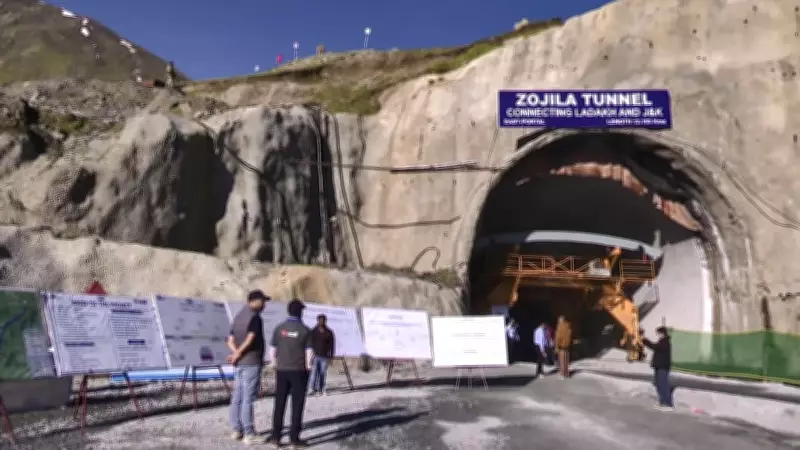
The Zojila tunnel project achieved a major breakthrough, strengthening India's strategic lifeline to Ladakh. This tunnel, located on the Srinagar-Leh highway, will provide all-weather connectivity to the region, which is crucial for both civilian movement and military logistics.
Strategic Importance
The Zojila tunnel is of immense strategic importance as it will bypass the Zojila pass, which remains closed during winter due to heavy snowfall. Once completed, the tunnel will ensure uninterrupted access to Ladakh, a region that shares borders with China and Pakistan. This will significantly enhance the Indian Army's ability to transport troops, equipment, and supplies to forward areas.
Key Features of the Tunnel
- Length: The tunnel is approximately 13.5 kilometers long, making it one of the longest road tunnels in India.
- Altitude: It is being constructed at an altitude of about 3,528 meters, posing engineering challenges due to harsh weather and terrain.
- Reduced Travel Time: The tunnel will cut travel time between Srinagar and Leh by several hours and reduce the distance by about 30 kilometers.
Economic and Social Impact
Beyond military benefits, the tunnel will boost tourism and economic activities in Ladakh. It will facilitate the movement of goods and people, reducing dependence on air travel during winter months. Local communities will gain better access to healthcare, education, and markets.

Challenges and Progress
The project faced geological and climatic hurdles, including avalanches and landslides. However, the breakthrough signifies that construction is on track. The tunnel is expected to be fully operational by 2026 or sooner.
This achievement underscores India's commitment to infrastructure development in border areas, enhancing national security and regional prosperity.