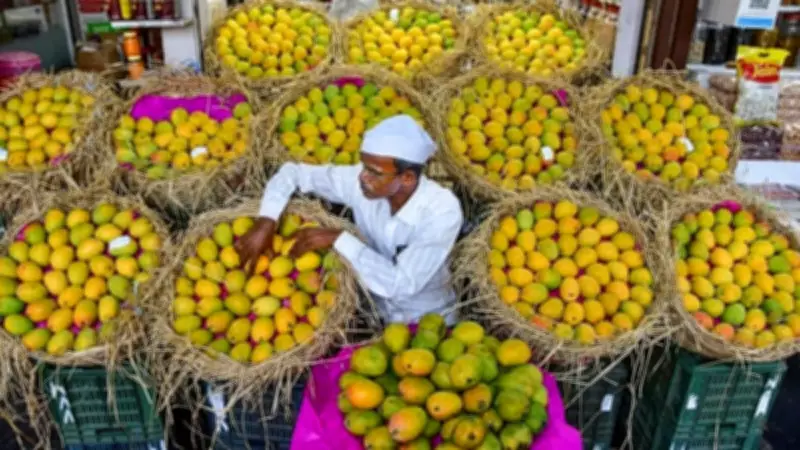
The Nepal government has imposed restrictions on the import of mangoes from India, citing excessive pesticide levels and a lack of adequate quarantine facilities in border regions, particularly Madhesh province. Officials confirmed the decision on Tuesday, emphasizing public health and agricultural safety concerns.
Reasons Behind the Restriction
According to government authorities, the move was prompted by findings that mango shipments from India contained pesticide residues exceeding permissible limits. The absence of proper quarantine infrastructure in key border areas further complicated the monitoring process, making it difficult to ensure the safety of imported produce.
The Madhesh province, which shares a long and porous border with India, has been identified as a critical zone where quarantine checks are insufficient. This has raised alarms about the potential health risks to consumers and the impact on local agriculture.

Impact on Trade and Consumers
The restriction is expected to affect the supply of mangoes in Nepal, especially during the peak summer season when demand is high. Indian mangoes are widely consumed in Nepal, and the ban may lead to a temporary shortage or price increase. Local farmers, however, may benefit from reduced competition, potentially boosting domestic production.
Trade experts note that Nepal imports a significant quantity of mangoes from India annually, and this restriction could strain bilateral trade relations. Nevertheless, the government maintains that the decision is necessary to safeguard public health and uphold food safety standards.
Government's Stance
Officials have stated that the restriction will remain in place until robust quarantine facilities are established at border points and Indian exporters comply with Nepal's pesticide regulations. The government is also exploring alternative sources for mango imports to stabilize the market.
This is not the first time Nepal has imposed such restrictions on agricultural imports from India. Similar measures have been taken in the past for other products, highlighting ongoing challenges in cross-border food safety regulation.
The decision has been met with mixed reactions. While consumer groups have applauded the move for prioritizing health, traders have expressed concerns over potential economic losses and supply disruptions.