While a continent splitting apart might sound like science fiction, geologists confirm that this process is actively occurring beneath East Africa. A new study has uncovered evidence that pulses of hot, partially molten rock are rising from deep within the Earth's mantle under the Afar region of Ethiopia. These pulses are driving the stretching and thinning of the crust, a process that could eventually lead to the formation of a new ocean basin over millions of years.
Research Published in Nature Geoscience
Published in the journal Nature Geoscience, the research was led by scientists from the University of Southampton in collaboration with other international institutions. Their findings suggest that the Afar mantle plume behaves like a geological heartbeat, sending rhythmic waves of molten material upward through the Earth. This discovery provides a rare glimpse into the early stages of continental breakup.
The Afar Region: A Unique Geological Laboratory
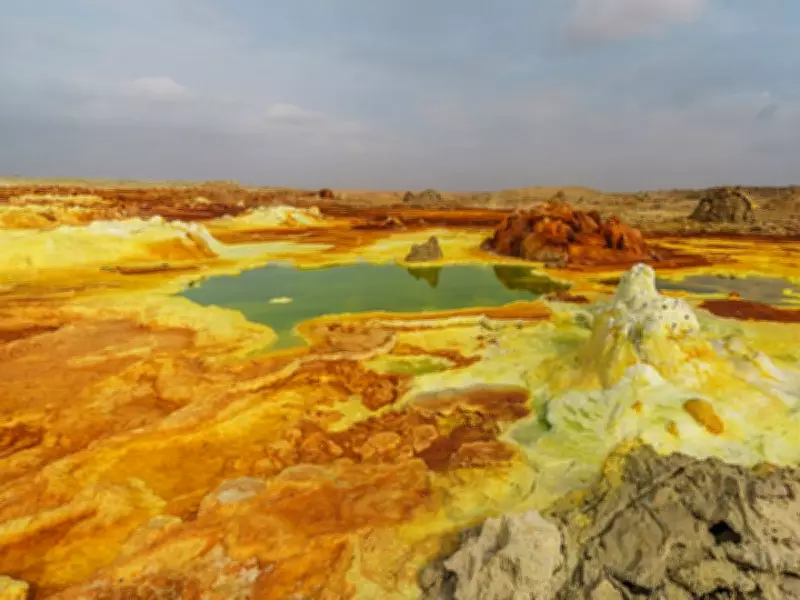
The Afar region of Ethiopia is one of the most geologically unusual places on the planet. Three tectonic rifts converge here: the Main Ethiopian Rift, the Red Sea Rift, and the Gulf of Aden Rift. According to the study, this convergence offers scientists an exceptional opportunity to study the initial phases of continental separation. For decades, geologists have hypothesized about a mantle plume beneath the area, but its internal dynamics remained poorly understood. The new research indicates that the plume is not a uniform column but contains distinct chemical pulses that rise through the mantle.

Lead author Dr. Emma Watts, now at Swansea University, explained that the mantle underneath Afar is neither uniform nor stationary, and the pulses are guided by the tectonic plate's movement.
Analysis of Volcanic Rock Samples
To investigate subsurface processes, the team collected and analyzed over 130 volcanic rock samples from the Afar region and the Main Ethiopian Rift. Geochemists combined this data with advanced statistical modeling to determine the composition of both the mantle and the molten material flowing through it. The results were striking: repeating chemical patterns, described as geological bar codes, were found across the rift system. These patterns suggest that the plume is pulsing rather than flowing continuously. The spacing of these chemical bands varies depending on tectonic activity, with faster plate separation, such as along the Red Sea Rift, allowing the pulse to travel more efficiently.
Co-author Professor Tom Gernon of the University of Southampton noted that the chemical striping provides evidence that the plume is pulsing like a heartbeat.
Implications for Future Ocean Formation
This finding sheds light on a fundamental scientific question: how continents split and oceans form. According to plate tectonics theory, Earth's outer shell consists of moving tectonic plates. Where they pull apart, the crust stretches and thins. This stretching has been occurring in Afar for millions of years, and geologists believe it will eventually tear the crust completely. Once the land subsides and splits, ocean water will rush in to form a new sea. This process unfolds over millions of years, far beyond human timescales, but the region offers a rare window into how oceans like the Atlantic may have formed.
Links to Earthquakes and Volcanoes
The discovery also highlights the relationship between deep Earth activity and surface phenomena. The research indicates that the mantle plume interacts closely with the overlying plate, influencing the location of seismic and volcanic activity. The Afar region is already known for its active volcanoes, including the perpetually bubbling lava lake of Erta Ale. Co-author Derek Keir emphasized that understanding mantle material movement helps explain complex geological processes, including volcanic activity and continental breakup.

A Deeper Look at Earth's Hidden Power Source
While the notion of Africa splitting apart captures headlines, scientists believe the real significance of this research lies in its deeper implications for understanding Earth's interior. The work suggests that mantle plumes may be more dynamic and structured than previously recognized. Researchers plan to continue studying the Afar region to better understand how deep Earth processes influence surface activity. The pulsing beneath Ethiopia, they say, provides an unprecedented look at how our planet's surface has been shaped over billions of years and continues to evolve today.