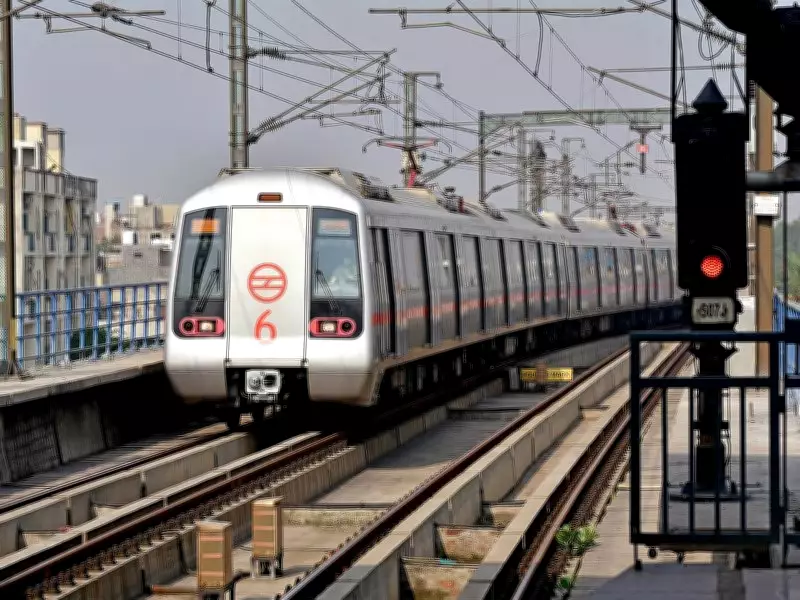
Delhi Metro is set to significantly expand its last-mile connectivity network, aiming to provide more commuter-friendly mobility options across the national capital. The initiative focuses on integrating various modes of transport to ensure seamless travel for passengers from metro stations to their final destinations.
Expansion of Feeder Services
The Delhi Metro Rail Corporation (DMRC) plans to introduce additional feeder buses, e-rickshaws, and bike-sharing services at key stations. This move is part of a broader strategy to reduce the dependency on private vehicles and promote public transport. Currently, the metro network spans over 390 kilometers with 286 stations, but last-mile connectivity has remained a challenge for many commuters.
New Initiatives
Under the new plan, the DMRC will collaborate with private operators to deploy more e-rickshaws and electric autos at major interchange stations such as Kashmere Gate, Rajiv Chowk, and Hauz Khas. Additionally, bike-sharing services will be introduced at select stations to offer flexible and eco-friendly travel options. The corporation is also exploring the use of mobile apps to integrate these services, allowing passengers to book and pay for multiple modes of transport through a single platform.

Key features of the expansion include:
- Increased frequency of feeder buses during peak hours
- Dedicated parking zones for e-rickshaws and bikes near station entrances
- Real-time tracking of feeder vehicles via mobile apps
- Integration with existing public transport systems like DTC buses
Commuter Benefits
The expanded network is expected to benefit millions of daily commuters by reducing travel time and costs. For instance, passengers traveling from outer areas to central business districts will have more options to complete their journeys without relying on personal vehicles or expensive cab services. The initiative also aligns with the government's focus on sustainable urban mobility and reducing carbon emissions.
“We are committed to making the last-mile experience as smooth as possible,” said a DMRC official. “By integrating various modes of transport, we aim to encourage more people to use the metro, thereby reducing congestion on roads.”
Challenges and Future Plans
Despite the benefits, challenges such as inadequate infrastructure and coordination with multiple agencies remain. The DMRC is working closely with the Delhi government and traffic police to address these issues. Future plans include expanding the feeder network to more residential areas and commercial hubs, as well as introducing pilot projects for autonomous shuttles in select zones.
The expansion is part of a larger effort to transform Delhi's public transport system into a world-class model. With the addition of more last-mile options, the metro is poised to become an even more attractive choice for daily commuters, contributing to a greener and more efficient city.