Roman Road Discovery Beneath London Street Rewrites Ancient Maps
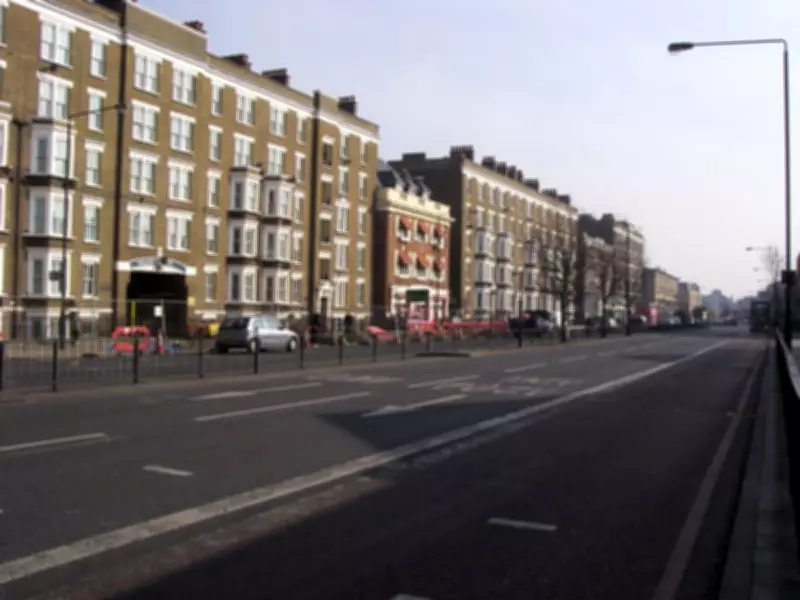
When utility workers dug under the busy Old Kent Road in London in 2024, they found a well-preserved piece of Roman London just under their feet. Instead of broken stone or ordinary soil, the crews uncovered a highly preserved section of Watling Street, one of the most famous Roman roads in Britain.
The find has excited historians. Many ancient roads are mapped using broken clues, old records, or lucky guesses, so the exact paths are often uncertain. Experts now have a firm anchor point in a well-preserved section of the road directly under a modern street, enabling them to make precise corrections to existing maps. This shows the power of routine urban roadworks to rewrite what we know about the past.
Why This Time Period Is Important to Historians
Watling Street was never simply a road. It was an important part of a vast, interconnected transport system built by the Roman Empire to move troops, merchandise, and official messages across Britain. For today's researchers, mapping exactly where these roads led is very difficult.

This is the problem addressed by a major scientific study published in Scientific Data. The Itiner-e project states: 'We have a good overall picture of the extensive network of Roman roads. But we know for certain the exact location of only 2.7 per cent of the roads.' The rest of the routes on modern maps are often filled in with guesswork and indirect clues. The discovery of a well-preserved section beneath Old Kent Road gives experts a solid, undeniable data point to fill a huge gap in the ancient map of London.
What the Road Says About Roman Engineering
The physical remains of the road demonstrate the cleverness of Roman builders. They did not merely throw stones on the ground; they carefully charted routes by observing the lay of the land, employing local materials, and constructing elaborate drainage systems so the roads could endure heavy use and inclement weather for centuries.
Research on Roman roads shows that their routes developed over time. The study notes: 'The networks were built up gradually over many generations, and it is extremely complicated to reconstruct the earliest history of these paths. Early construction details are often lost or sparse, and an intact, physical segment is extremely valuable.' By studying how layers of stone and gravel were laid down under Old Kent Road, archaeologists can understand the exact technical processes Roman engineers used to create a compromise between straight roads and durability over time.
How Modern Maps Are Updated
The find is a perfect reminder that ancient history maps are not set in stone. They are always changing as new physical evidence is dug out of the ground. Projects like Itiner-e treat the whole Roman road system as a digital, connected network that can be updated every time a discovery is made.
When archaeologists find an intact length of road, they can compare it to old maps to see if the ancient path was straight or bent around natural obstacles. Instead of wiping out old maps entirely, discoveries like this help tidy up the lines between known historic sites. For a city like London, built, destroyed, and rebuilt over two thousand years, it is a rare gift to find an original layer well-preserved beneath the modern road, bringing ancient engineering to life.
Strength of Urban Archaeology
The most thrilling historical finds in cities are generally accidental, resulting from routine work on city infrastructure such as fixing water pipes, laying electric cables, or repairing modern streets. The workers on Old Kent Road were not looking for headlines, but their daily job opened a window onto ancient times.
City digs are so valuable because the weight of modern buildings and streets sometimes seals and protects the ancient layers below from weather and ruin. Finding a whole structure in place tells experts much more than finding loose, scattered stones. It is an exact representation of how the road sat in the landscape. This incredible find shows that the ground beneath our modern feet still holds many secrets, and a single engineering discovery can add useful evidence to history.