As Bengaluru invests heavily in flyovers, elevated corridors and Metro expansion, the condition of its footpaths and pedestrian subways raises broader questions about whether the city has overlooked the needs of those who travel on foot.
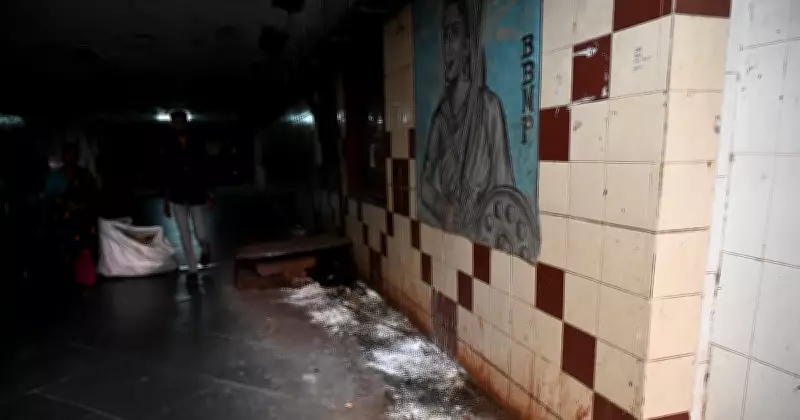
Broken ceiling panels greet pedestrians at the underpass connecting Veterinary College and CBI on Bellary Road. This is just one example of the neglect plaguing the city's underpasses, which are also plagued by encroachment from vendors and parked vehicles.
Neglect and Encroachment
Many underpasses across Bengaluru suffer from poor maintenance, with broken lights, damaged tiles, and clogged drainage systems. Encroachment by street vendors and illegal parking further reduces usable space for pedestrians, forcing them onto busy roads.

Impact on Pedestrians
Pedestrians often avoid underpasses due to safety concerns, including poor lighting and the presence of antisocial elements. This undermines the purpose of these structures, which were built to ensure safe crossing of major roads.
Broader Urban Planning Questions
The neglect of underpasses highlights a disconnect between large-scale infrastructure projects and the everyday needs of pedestrians. While flyovers and Metro lines improve vehicular movement and public transport, the lack of attention to walkways and subways points to a car-centric approach to urban development.
Experts argue that a balanced approach is needed, where pedestrian infrastructure is given equal priority. This includes regular maintenance, strict enforcement against encroachment, and better integration with other modes of transport.
The situation in Bengaluru is not unique, but given the city's rapid growth and investment in infrastructure, the state of its underpasses serves as a reminder that true urban progress must cater to all road users, not just those in vehicles.