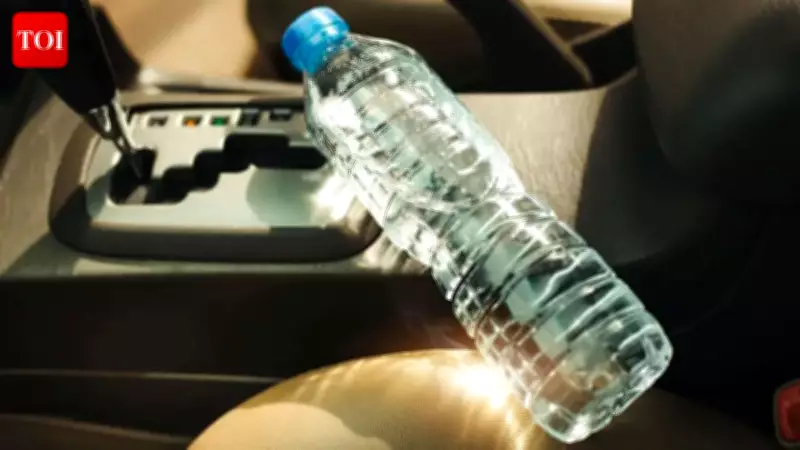
Grabbing a forgotten water bottle from your car on a hot day might seem harmless for a quick sip, but Dr. Josh Axe, a US physician and nutrition expert, warns against this habit, especially during summer. As car interiors heat up, the safety of plastic bottles has sparked debate among scientists and health experts. Is it truly risky to drink from a plastic bottle that has spent hours roasting on the dashboard? Let's examine the evidence.
What Are Dr. Axe's Concerns?
In an Instagram post, Dr. Axe cautioned against drinking from plastic bottles exposed to heat. The primary concern is that chemicals can leach from plastic into water when temperatures rise. He specifically highlights bisphenol A (BPA), a chemical linked to hormone disruption. Dr. Axe stated, "If you leave a plastic water bottle in your car... never drink from it again." He explains that BPA mimics estrogen in the body, disrupts hormones, and has been associated with infertility, cancer, and thyroid dysfunction.
While many bottles are now labeled BPA-free, Dr. Axe notes that this does not guarantee safety. These bottles may still release other chemicals or shed tiny plastic particles, especially when heated in a car. Heat accelerates chemical migration, and research confirms that higher temperatures increase the likelihood of plastic leaching into your drink.

Why Are Plastic Bottles in Hot Cars a Concern?
Your parked car can become much hotter than the outside temperature, easily reaching 40°C (104°F) and sometimes close to 60°C (140°F) on a blazing day. Dr. Axe points out, "A car interior on a hot day can easily reach 104-140°F. At that temperature, research published in Environmental Science & Technology found that plastic bottles release BPA at a rate 55 times higher than at room temperature."
Higher temperatures dramatically increase BPA release from plastic. A well-known study exposed polycarbonate bottles to boiling water and found they released BPA up to 55 times faster than at room temperature. Although these tests used boiling water, the principle remains: heat destabilizes plastic.
What Is the Real Deal with BPA?
For years, manufacturers used BPA to make plastics and epoxy resins durable. However, BPA can act as a hormone disruptor, mimicking estrogen and interfering with the endocrine system. Lab and animal studies have linked BPA exposure to reproductive problems, developmental changes, and metabolic issues. Human research suggests connections to heart disease, diabetes, fertility problems, and thyroid dysfunction, though the science is not fully settled.
Many bottles now claim to be BPA-free, but experts warn that replacement chemicals may not be safer. Ongoing research continues to investigate these substitutes.
Microplastics: A Modern Concern
While BPA garners attention, scientists are increasingly worried about microplastics. As plastic breaks down under sun and heat, it sheds tiny fragments into food and water. Research shows that hot plastic bottles release far more microscopic particles than cool ones. Some recent studies indicate that regular plastic products can release large amounts of nanoparticles into water, especially when heated. The long-term effects of constant microplastic exposure on humans remain unclear, but concerns include inflammation, hormone disruption, and organ health.
Should You Worry About a Single Sip?
The good news: experts say that occasionally drinking from a hot plastic bottle is unlikely to cause immediate harm. The greater risk comes from habitual exposure over months or years, which concerns health professionals.
They also emphasize that dehydration poses a more immediate threat than trace chemicals. If your choice is between overheated water and no water, drink the water. However, avoid making it a daily habit.
Don't Forget About Bacteria
Chemicals are not the only concern. If you have already opened the bottle, your mouth and hands have introduced bacteria. A hot car provides an ideal environment for germs to multiply. After a bottle has been open and warm for a while, it is best to discard it rather than drink from it again. The taste may also be unpleasant.

Should You Toss the Bottle?
In a pinch, drinking from a hot plastic bottle will not immediately harm your health. However, repeated use increases risks from both chemicals and bacteria. Health experts recommend avoiding this habit whenever possible.
What Are Better Alternatives to Plastic?
Dr. Axe suggests switching from plastic to more durable materials. He states, "The good news is the swaps are simple." Recommended alternatives include stainless steel or glass water bottles, glass food storage containers, ceramic or cast iron cookware, wooden or bamboo cutting boards, wooden kitchen utensils, and loose-leaf tea instead of plastic tea bags. A good reverse-osmosis or high-quality carbon-block water filter at home can also reduce plastic particles and chemicals in your water.
The bottom line is not to spread panic but to minimize unnecessary exposure when possible. While plastic is ubiquitous, switching to a reusable, non-plastic water bottle is a simple health upgrade that can make a difference.