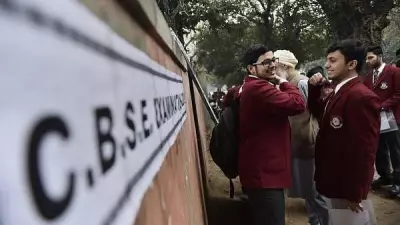
Lucknow University has unveiled a comprehensive set of reforms for its engineering programs on the second campus, aimed at aligning the curriculum with industry demands and emerging technologies. The university has formed a Curriculum Review Committee to update the syllabus and enhance students' employability skills, according to officials.
Key Proposed Changes
Among the significant changes, the university has proposed a common first semester for all engineering branches. This move is designed to provide a foundational base before students specialize. Additionally, an early branch change option will be available in the second semester, instead of the current third semester, allowing students more flexibility to choose their preferred field.
To reduce academic pressure, the university plans to replace the existing two mid-term examinations with a single mid-term exam. This change is expected to streamline internal assessment and allow students to focus more on core learning.

Practical Learning Emphasis
In a bid to strengthen practical skills, continuous lab evaluation throughout the semester has been proposed. This would eliminate the need for separate external practical exams, thereby increasing focus on hands-on learning and student engagement. The approach aims to make assessment more integrated with the learning process.
Flexible Eighth Semester
A flexible eighth semester has been introduced in the proposal, enabling students to opt for six-month industrial training in reputed companies, research institutions, and approved organizations. Eligibility will depend on criteria such as stipend or package standards, ensuring that students gain meaningful industry exposure.
Official Statement
Vice-Chancellor Prof JP Saini stated, “The engineering faculty will implement industry-oriented updates to its syllabus to improve student skills and job readiness. The reforms aim to make engineering education more modern, flexible and aligned with global standards.”
These reforms are part of a broader effort to ensure that graduates are well-prepared for the evolving job market, with a curriculum that reflects current industry practices and technological advancements.