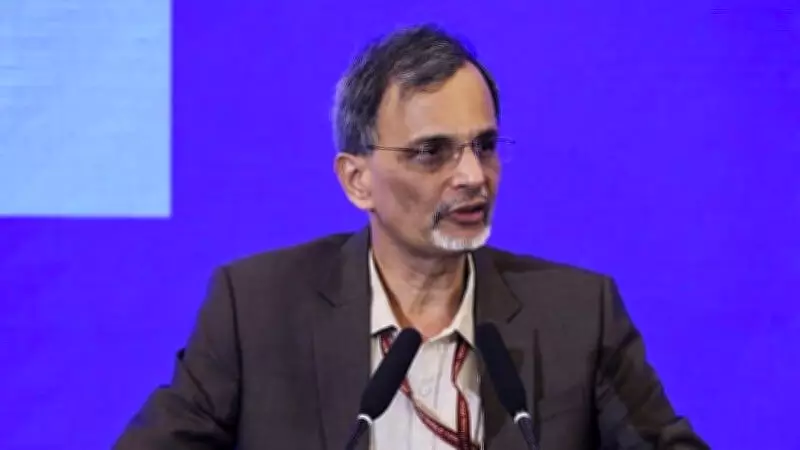
The Chief Economic Advisor (CEA) has drawn attention to significant data gaps that are undermining the empowerment of panchayats across India. In a recent statement, the CEA emphasized the need for uniform accounting heads across all states to ensure consistent and comparable treatment of central transfers to local bodies.
Data Inconsistencies Hinder Effective Governance
The CEA pointed out that the lack of standardized data collection and reporting mechanisms has made it difficult to assess the actual impact of central funds allocated to panchayats. Without reliable data, policymakers cannot accurately evaluate the effectiveness of these transfers or identify areas requiring improvement.
Call for Uniform Accounting Heads
To address this issue, the CEA proposed the adoption of uniform accounting heads across states. This would enable a more transparent and comparable tracking of funds from the central government to local bodies. Such standardization is expected to enhance accountability and ensure that resources are utilized efficiently for grassroots development.

The CEA further noted that empowering panchayats is crucial for achieving decentralized governance and inclusive growth. However, the current data gaps pose a serious challenge to this objective. By implementing uniform accounting practices, states can better monitor the flow of funds and improve the delivery of public services at the local level.
Implications for Policy and Planning
The lack of consistent data also affects long-term planning and policy formulation. The CEA urged state governments to collaborate with the central government to develop a robust framework for data collection and reporting. This would not only strengthen panchayat institutions but also promote evidence-based policymaking.
In conclusion, the CEA's remarks highlight a critical issue in India's federal structure. Addressing these data gaps is essential to realize the full potential of panchayati raj institutions and ensure that central transfers translate into tangible benefits for rural communities.