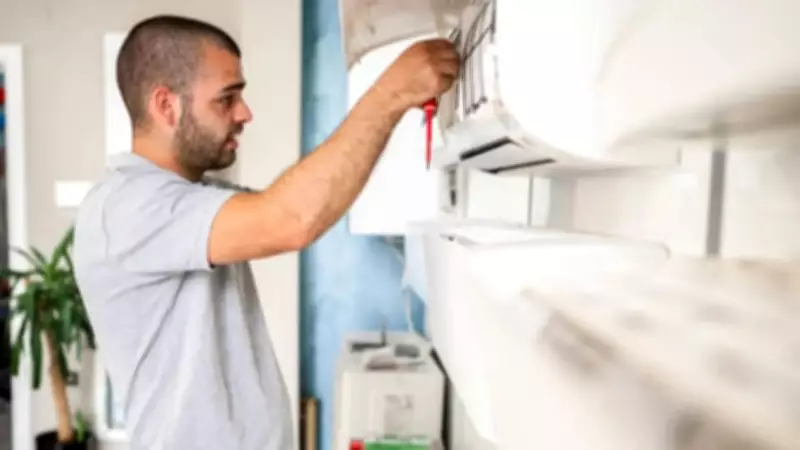
Essential AC Maintenance Tips to Prevent Expensive Breakdowns This Summer
With summer temperatures reaching extreme highs across many regions, air conditioners have transitioned from luxury items to absolute necessities in modern households. Unfortunately, most homeowners neglect their AC units until a sudden breakdown occurs, often leading to costly emergency repairs and uncomfortable living conditions. The good news is that implementing a few straightforward maintenance practices can significantly enhance your system's performance, extend its lifespan, and prevent unexpected expenses. By dedicating minimal time to regular upkeep, you can ensure your air conditioner operates efficiently throughout the hottest months without requiring professional intervention.
Regularly Clean or Replace Air Filters for Optimal Performance
One of the most critical yet frequently overlooked aspects of air conditioner maintenance involves the proper care of air filters. These components play a vital role in ensuring efficient functionality by trapping dust, pollen, and other airborne particles. When filters become clogged with debris, they obstruct smooth airflow, forcing the system to work harder. This overexertion results in increased energy consumption, potential overheating of internal components, and reduced cooling capacity. Experts recommend cleaning reusable filters at least two to four times monthly during periods of heavy use, while disposable filters should be replaced according to manufacturer guidelines. Maintaining clean filters not only enhances indoor air quality but also facilitates faster and more effective cooling, ultimately lowering electricity bills.
Ensure Outdoor Unit Remains Clean and Properly Ventilated
The outdoor condenser unit is responsible for dissipating heat from your home's interior, making its maintenance equally important. Over time, leaves, dust, dirt, and other debris can accumulate around and inside the unit, impeding the heat exchange process and straining the entire system. To prevent this, regularly inspect the area surrounding your outdoor unit, removing any obstacles such as overgrown bushes, garden tools, or stored items that might block airflow. Additionally, gently clean the unit's exterior fins with a soft brush or low-pressure water spray to eliminate built-up grime. Ensuring adequate ventilation around the condenser improves overall system efficiency, reduces wear on components, and helps maintain consistent cooling performance even during peak demand.

Monitor for Unusual Noises and Signs of Leakage
Your air conditioner often provides early warning signs of potential problems through auditory and visual cues. Unusual sounds like hissing, buzzing, grinding, or rattling emanating from the unit typically indicate mechanical issues, such as loose parts, motor problems, or refrigerant leaks. Similarly, visible water leakage around the indoor unit or ineffective cooling despite proper settings should never be ignored. These symptoms may stem from clogged drainage lines, low refrigerant levels, or damaged components. Addressing these warning signs promptly can prevent minor issues from escalating into major, expensive repairs. If you notice persistent noises or leaks, consider consulting a professional technician for a thorough diagnosis before the problem worsens.
Set Appropriate Temperatures and Utilize Smart Features
Many users mistakenly believe that setting their thermostat to extremely low temperatures will cool their home faster, but this practice actually places excessive strain on the AC system. Instead, experts recommend maintaining a moderate, consistent temperature—typically between 24 to 26 degrees Celsius—to balance comfort with energy efficiency. Modern air conditioners often include features like programmable timers, sleep modes, and eco-settings that help regulate usage patterns. Utilizing these functions allows you to reduce operation during unoccupied hours, decreasing overall wear and tear while cutting down on electricity costs. Smart usage not only prolongs the unit's operational life but also contributes to environmental conservation by minimizing energy waste.

Schedule Annual Professional Servicing for Comprehensive Care
While DIY maintenance covers basic upkeep, professional servicing remains indispensable for long-term AC health. Certified technicians perform detailed inspections of internal components, check refrigerant levels for optimal charge, clean hard-to-reach areas like evaporator coils, and lubricate moving parts to reduce friction. They can also identify underlying issues that may not be apparent during routine checks, such as electrical faults or compressor wear. Scheduling professional maintenance once or twice annually—preferably before the summer season begins—ensures your system operates at peak efficiency, improves indoor air quality, and prevents unexpected breakdowns. This proactive approach ultimately saves money by avoiding costly emergency repairs and premature replacement of the entire unit.