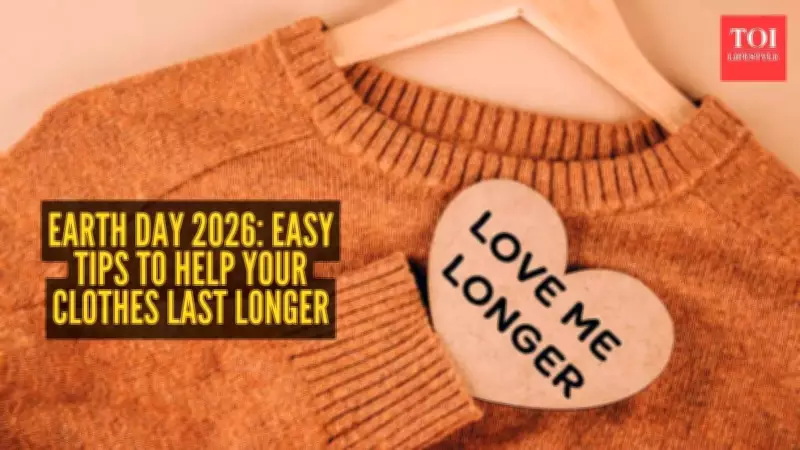
Rethinking Clothing Care: A Guide to Sustainable Wardrobe Practices
Many of us give little thought to how we treat our garments. We wear them, throw them into the laundry, and hope for the best. However, this casual approach can significantly shorten their lifespan, leading to premature wear and tear. As Earth Day 2026 approaches, consider a more mindful alternative: instead of purchasing new items, focus on extending the life of your current wardrobe. The most eco-friendly outfit is the one you don't need to replace.
Here are ten straightforward strategies to enhance your clothing care routine without major disruptions.
1. Reduce Washing Frequency
It may seem counterintuitive, but not every garment requires washing after a single use. Overwashing is a primary cause of fabric degradation, including loss of shape, fading, and thinning. Items like jeans, jackets, and certain tops can be worn multiple times before needing a wash. For non-soiled or non-sweaty clothes, simply air them out by hanging near a window or in a ventilated area for a few hours. This simple step can preserve fabric integrity.

2. Adopt Gentle Washing Techniques
While washing machines offer convenience, they can be harsh on fabrics. Implementing minor adjustments can yield significant benefits:
- Opt for cold water instead of hot to prevent fading and reduce fiber stress.
- Turn clothes inside out, especially for printed or dark-colored items, to protect designs.
- Select gentle cycles whenever possible to minimize agitation.
- Avoid overloading the machine; clothes need space to move freely to prevent excessive friction.
3. Use Detergent Mindfully
More detergent does not equate to cleaner clothes. Excessive use can leave residues that stiffen and dull fabrics over time. Stick to the recommended amount or slightly less, and choose milder detergents that are gentler on both your garments and the environment.
4. Prioritize Air-Drying
Dryers, though quick, can be damaging due to heat, which may shrink fabrics, weaken fibers, and cause color loss. Air-drying on a line or rack is a superior alternative. While it takes longer, it significantly extends clothing life. For heavy items like sweaters, lay them flat to avoid stretching.
5. Implement Proper Storage Methods
Storage practices greatly impact clothing longevity. Fold heavy knits to prevent stretching, use quality hangers for shirts and dresses, and avoid overcrowding in closets. Ensure your wardrobe remains clean and dry to prevent moisture-related issues like musty odors or fabric damage.
6. Address Minor Repairs Promptly
Small issues such as loose buttons, tiny tears, or broken zippers can escalate if ignored. Learning basic sewing skills or consulting a local tailor for affordable repairs can add months or years to your clothes' lifespan.
7. Treat Stains Immediately
Stains become harder to remove over time. Address spills quickly using simple solutions like water or mild soap, and avoid vigorous rubbing on delicate fabrics to prevent damage.
8. Rotate Your Wardrobe
Frequently wearing the same items accelerates wear. Rotate your clothing to allow fabrics to recover between uses, enhancing durability.
9. Understand Fabric-Specific Care
Different materials require tailored care. While cotton is generally low-maintenance, wool and silk need more attention. Some fabrics may require hand-washing instead of machine cycles. Always check care labels for guidance.
10. Invest in Quality Over Quantity
This broader strategy complements direct care. Choosing well-made garments with good stitching and durable fabrics ensures longer wear. Focus on timeless basics rather than fleeting trends to build a sustainable wardrobe.
The Impact of Mindful Clothing Care
Caring for your clothes isn't about perfection but mindfulness. Even adopting one or two habits, like washing less or air-drying, can make a noticeable difference over time. On a larger scale, these practices contribute to reducing waste, as the fashion industry is a major source of environmental strain. Extending clothing life means fewer resources consumed and less planetary pressure.

This Earth Day, appreciate your existing wardrobe. With a bit of care, your favorite shirt or jeans can last much longer. Sustainability doesn't have to be complex; sometimes, it's simply about valuing and maintaining what you already own.