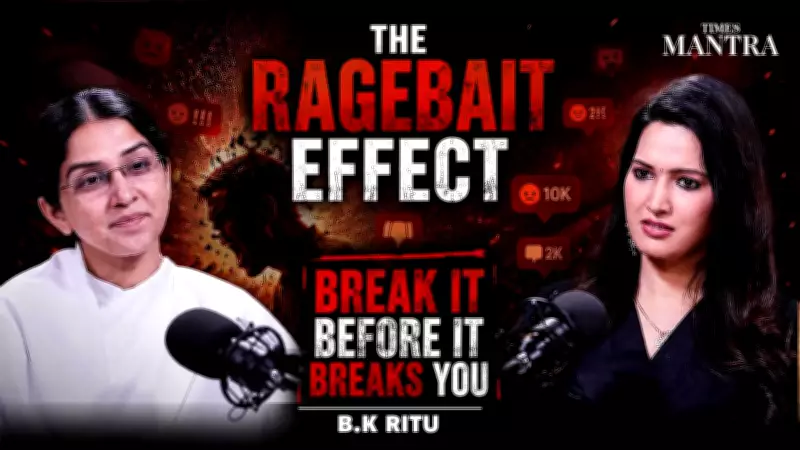
Why does negative and outrage-driven content spread faster than everything else online? This discussion explores the 'ragebait effect' and how social media algorithms often reward emotional reactions, anger, and controversy. Why are people becoming more reactive, stressed, and mentally exhausted online? Is ragebait just entertainment, or is it slowly affecting focus, emotions, and relationships? This conversation breaks down the psychology behind digital outrage culture and why it is becoming harder to escape. Watch till the end to understand how ragebait may already be influencing your mind.
The Psychology Behind Ragebait
Ragebait refers to content specifically designed to provoke anger, outrage, or strong emotional reactions. Social media platforms amplify such content because it drives engagement—likes, shares, and comments. Algorithms prioritize posts that generate emotional responses, creating a feedback loop that rewards negativity. This constant exposure to outrage can gradually reshape your personality, making you more irritable, reactive, and stressed. Over time, you may find it harder to focus, maintain healthy relationships, or regulate emotions.
How Ragebait Affects Your Brain
When you encounter ragebait, your brain releases stress hormones like cortisol and adrenaline. Repeated activation of this stress response can lead to chronic anxiety, mental exhaustion, and even physical health issues. The addictive nature of outrage—similar to a dopamine loop—keeps you scrolling and reacting. This can diminish your ability to think critically or engage in nuanced discussions.

Is Ragebait Just Entertainment?
While some view ragebait as harmless entertainment, its effects are far-reaching. It can polarize opinions, fuel online harassment, and damage real-world relationships. The constant state of anger may spill into offline interactions, making you more confrontational or cynical. Recognizing the difference between genuine outrage and manufactured controversy is key to protecting your mental health.
Breaking Free from the Ragebait Cycle
Digital detoxes, mindful consumption, and algorithm awareness can help. Set boundaries for social media use, unfollow accounts that rely on outrage, and prioritize content that educates or inspires. Remember: you can respond thoughtfully instead of reacting impulsively. Your personality and well-being are worth more than a viral moment.
For more insights, watch the full discussion featuring B.K. Ritu on Times Mantra.