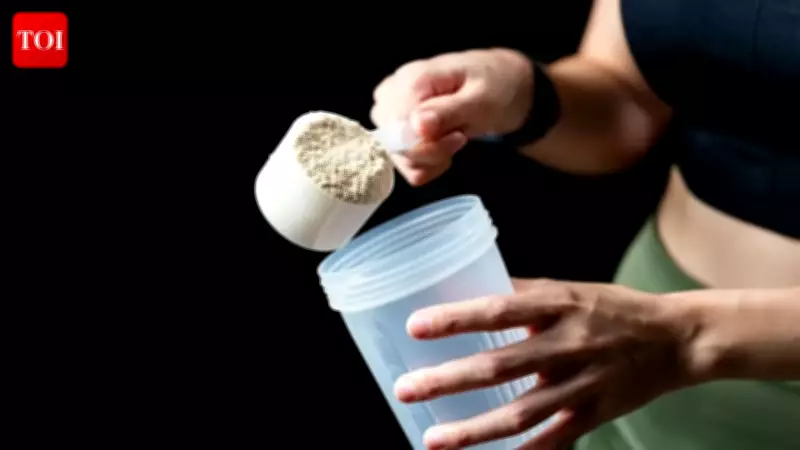
In a world focused on health hacks and wellness rituals, fitness has become a central part of many people's lives. Thanks to this trend, creatine has emerged as a superstar supplement—one of the most popular in the fitness world. What's more, creatine, once associated almost exclusively with bodybuilders and elite athletes, is now widely used by gym-goers, runners, older adults, and even those interested in boosting cognitive performance. Its wide-ranging appeal is remarkable.
But then comes the question: What actually happens if you take creatine daily? And what happens when you stop after a period of daily consumption?
Pierre Dalati, a YouTuber, conducted an interesting experiment: he took 5 grams of creatine every day for a year and decided to find out for himself. After 12 months straight, he stopped for a month and tracked the differences. His story might surprise anyone worried about losing muscle just by coming off creatine.

Pierre Dalati and Daily Creatine Consumption: What Happened?
According to Prevention, Dalati started with the standard 5 grams a day and kept it up for a full year. Over that time, he packed on about five pounds of lean muscle, experienced better workouts, and enjoyed smoother recovery. He also noticed he could push through more reps, recover quicker, and generally perform better in the gym. Even outside the gym, he felt sharper mentally, especially on days when life threw extra stress or he was low on sleep. Research backs him up: creatine isn't just for muscles but may benefit your brain as well.
So, What Happened When He Stopped?
The first thing he noticed was that, contrary to popular opinion and online chatter, there were no withdrawal symptoms. He didn't feel like anything was missing, didn't lose all his muscle overnight, and didn't see his performance fall off a cliff. However, things did change a bit, just more gradually. His strength dipped a little, and lifting didn't feel quite as easy. Recovery slowed down, too.
Another thing he mentioned was that his muscles lost a bit of that "full" look, which makes sense. Creatine helps muscles hold more water, and when you stop, you shed some of that extra water weight. It's obvious visually, but it's not the same as actually losing muscle. As long as he kept up his workouts and protein intake, the muscle he had gained—months or years' worth—didn't just melt away. The visual fullness dropped, along with a slight hit to his strength and recovery, but nothing dramatic.
For anyone anxious that muscles gained with creatine will just vanish, Dalati put it simply: muscle creatine stores go back to normal after a few weeks, but you're not going to shrivel up. He felt his strength decrease and his muscles looked a little less pumped, but not by much. Recovery got slower, so he couldn't push quite as hard.
However, the upside? Creatine was never addictive. He didn't experience cravings or any "come down." As he put it: "I was completely fine." Interestingly, he also felt the mental side effects after quitting. That cognitive boost he'd come to rely on faded, especially if he hadn't slept well. He still felt focused, but not as razor-sharp.
And in case you're curious about how quickly creatine starts working, Dalati said he started seeing results after just two to four weeks. That's the point where muscles become fully saturated with creatine. From there, it's more reps, faster recovery, and that familiar fuller look to his muscles.
Creatine Consumption: Dos and Don'ts
So, what exactly is creatine, and is it safe to take every day? Creatine is a natural organic compound that helps supply energy to your cells, particularly in your muscles and brain. It plays a critical role in rapid energy production by recycling adenosine triphosphate (ATP), the body's fundamental energy molecule. The fun part? It is both produced naturally in the body and consumed through your diet.
For healthy adults, a daily 3 to 5 gram dose is backed by plenty of research. The body makes some creatine on its own, and you get more from meat and fish. The supplement just bumps up muscle stores so you feel the benefits in the gym and, maybe, in your brain.

Dalati's experiment shows stopping creatine is no big deal. You won't lose muscle you worked hard to build, and there's no weird withdrawal. Yes, you'll likely notice a small dip in strength, a little slower recovery, and maybe a minor loss of mental sharpness, but the changes are slow and not dramatic.
However, it's important to note that some people should be careful about creatine consumption, such as anyone with kidney issues or certain medical conditions, or women who are pregnant. Staying hydrated is important, and you shouldn't be going overboard with mega-doses without consulting a professional healthcare provider.