5 Workouts to Tone Your Lower Body
If there is one fitness goal that consistently tops gym wish lists, it is building a stronger, leaner, and more toned lower body. While sculpted arms are impressive, well-toned legs and firm glutes not only enhance athletic performance but also make everyday activities like climbing stairs easier. Lower-body training plays a crucial role in overall fitness.
The benefits of a sculpted lower body extend beyond aesthetics. Fitness experts emphasize that muscles in the lower body—including the glutes, quadriceps, hamstrings, and calves—form the foundation of strength, balance, posture, and mobility. Research published by the American Council on Exercise and the National Strength and Conditioning Association shows that compound lower-body exercises improve muscle development, functional movement, and metabolic health. Additionally, regular lower-body training enhances bone density, supports joint health, and reduces injury risk.
The best part is that you do not need fancy equipment or a celebrity routine. Some tried-and-true basics work perfectly. Here are five workouts to get you started, with proper form emphasized.

Squats
The king of lower-body exercises. Squats work multiple muscles: glutes, quads, hamstrings, and core. Studies consistently rank squats at the top for muscle activation and overall effectiveness.
How to do it: Stand with feet shoulder-width apart, chest up, and hips back as if sitting in a chair. Lower until thighs are parallel to the floor (or as far as flexibility allows). Push through your heels to stand up. Avoid letting your knees cave inward or your heels lift. Proper form is more important than deeper squats.
Lunges
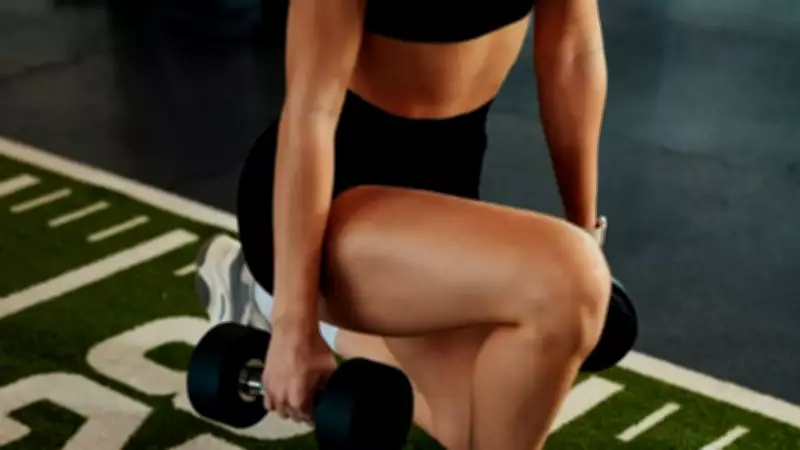
Often overlooked but excellent for balance and strength. Lunges train each leg separately, improving coordination and correcting muscle imbalances. They target glutes, quads, and hamstrings. Single-leg movements help prevent injuries.
How to do it: Stand tall, step one foot forward, and lower until both knees are at about 90 degrees (back knee just above the ground). Push through your front heel to return and switch sides. Keep movements controlled—think of a confident superhero landing, not a crash landing.
Glute Bridges
A great exercise for those who sit for long periods. Sitting weakens the glutes, and glute bridges reactivate the largest muscle group responsible for movement and posture.
How to do it: Lie on your back with knees bent and feet flat. Push through your heels to lift your hips while squeezing your glutes. Pause at the top, then slowly lower back down. Focus on glute engagement rather than arching your back. If you feel your glutes working, you are doing it right.
Step-Ups
Simple yet highly functional, step-ups mimic everyday movements like climbing stairs. They target glutes, quads, and calves while improving balance.
How to do it: Stand in front of a sturdy bench or step. Place one foot on the step, then push through that leg to lift yourself up. Step down gently, keeping movements controlled. Avoid bouncing or using momentum; the working leg should do most of the lifting.
Romanian Deadlifts
An underrated exercise for the hamstrings. While squats get more attention, Romanian deadlifts are key for strong hamstrings, glutes, and lower back. Resistance training experts value hip-hinge movements like this for overall posterior chain strength.
How to do it: Stand with feet hip-width apart, holding dumbbells or a barbell. Keep knees slightly bent, hinge at your hips, and lower the weights while maintaining a flat back. When you feel a stretch in your hamstrings, drive your hips forward to stand up. This is not a squat; push your hips back, keep your spine neutral, and feel the stretch.