In the arid landscape of Rajasthan, where water scarcity has been a perennial challenge, a community-driven revival of ancient stepwells is emerging as a beacon of hope. These architectural marvels, born out of necessity in regions with brief monsoon spells, are being restored to combat water shortages effectively.
The Historical Significance of Stepwells
Stepwells, known locally as baolis or vavs, are intricate structures that were ingeniously designed to harvest rainwater and provide access to groundwater. They served as vital water sources for communities, especially during the dry months. Over time, many fell into disrepair due to neglect and changing water management practices.
Community-Led Restoration Efforts
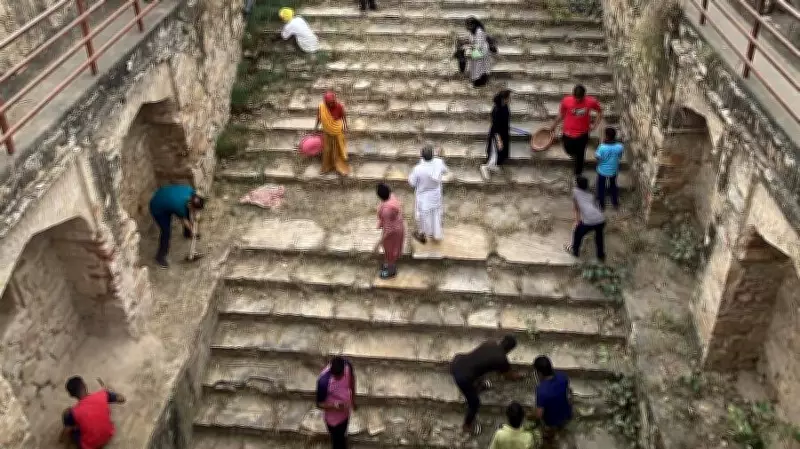
In recent years, local communities in Rajasthan have taken the initiative to restore these stepwells. Through collective action, they have cleaned out debris, repaired structural damages, and revived traditional water conservation techniques. These efforts have not only improved water availability but also rejuvenated local ecosystems.

Impact on Water Scarcity
The restored stepwells have significantly eased water scarcity in several villages. By capturing and storing rainwater, they recharge groundwater aquifers and provide a reliable water supply for drinking, irrigation, and livestock. This sustainable approach reduces dependence on erratic rainfall and depleting groundwater.
Cultural and Social Benefits
Beyond water security, the revival has strengthened community bonds and revived cultural heritage. Stepwells have become gathering spaces for social and religious activities, fostering a sense of pride and ownership among residents. The initiative also attracts tourists and researchers interested in traditional water management.
Challenges and Future Outlook
Despite successes, challenges remain, including funding constraints, technical expertise, and sustained community engagement. However, the model has inspired similar projects across Rajasthan and other states. With continued support, stepwell revival could become a cornerstone of climate resilience in water-stressed regions.
As Rakhee Roytalukdar reported for Bharat Horizon, these community-driven efforts demonstrate that traditional knowledge, when combined with modern collaboration, can offer practical solutions to contemporary environmental issues.