What is the Blended Learning Model? 8 must-know facts for parents to support their child
Technology has transformed the way children learn. Today, education is no longer confined to classrooms and textbooks. Many schools now adopt a blended learning model, which combines traditional face-to-face teaching with online learning. This approach offers students greater flexibility and caters to different learning styles. For parents, understanding blended learning is crucial because your support can significantly impact your child's academic success. Here are eight important facts every parent should know.
1. What is the Blended Learning Model?
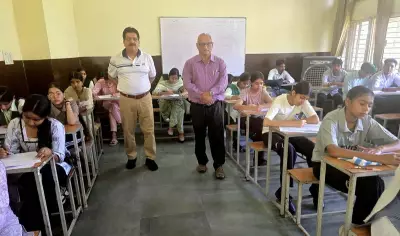
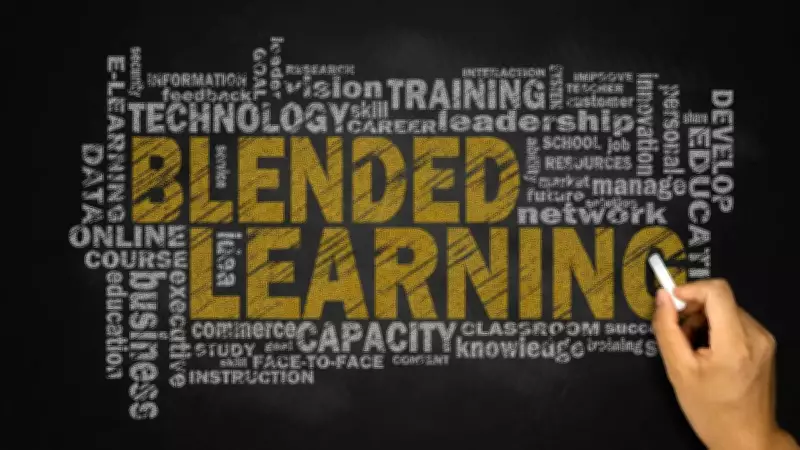
Blended learning is a mix of in-person instruction and digital learning. Students learn from their teachers in the classroom while also using online tools, videos, assignments, and activities at home or in school. This balance helps children learn independently while receiving guidance from teachers.
2. Every child can learn at their own pace
One of the biggest advantages of blended learning is that students can progress through lessons at a speed that suits them. If a child finds a topic difficult, they can rewatch a lesson or practice more. If they grasp a topic quickly, they can move ahead without waiting for others. This makes learning more relaxed and less stressful.

3. Technology becomes a learning tool
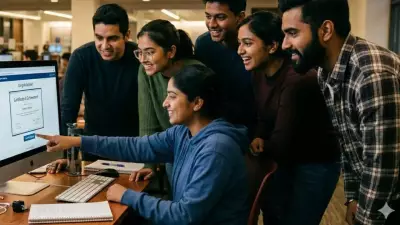
In blended learning, devices such as laptops, tablets, or computers are used for educational purposes. Students may watch lessons, complete assignments, take quizzes, or join online discussions. Parents should encourage children to use technology wisely and focus on learning activities rather than distractions.
4. Teachers still play a very important role
Some parents worry that online learning may replace teachers. That is not true. Teachers remain the cornerstone of learning. They explain concepts, guide students, answer questions, and provide support when needed. Technology simply helps teachers deliver lessons in more effective ways.
5. Good time management is essential
Blended learning requires students to take control of their own education. Students must complete their work and submit it on time. Parents can help by creating a schedule and setting aside dedicated study time. A simple plan can help children stay on track and avoid last-minute stress.
6. Parents need to stay involved
Parental interest in a child's education makes a significant difference. You do not need to be an expert in every subject. Simply asking about schoolwork, checking assignments, and discussing what they learned can improve outcomes. Regular communication with teachers also helps parents monitor their child's progress.
7. Digital safety matters
Since children spend time online, it is essential to teach them safe internet practices. Kids should learn how to use the internet responsibly and protect their personal information. Parents should discuss online safety, monitor screen time, and recommend educational websites for learning.
8. Blended learning builds future-ready skills
Blended learning equips students with valuable skills for the future, including problem-solving, communication, critical thinking, self-discipline, and technology proficiency. These skills are useful not only in school but also in higher education and careers. Learning to work independently and use technology effectively prepares children for a rapidly changing world.
Final thoughts
Blended learning is more than just using computers in schools. It is an approach that combines traditional classroom teaching with digital learning. This model can make education more flexible and engaging when implemented correctly. Parents play a key role in this process. By staying involved, encouraging good study habits, and promoting safe technology use, you can help your child maximize the benefits of blended learning. A little guidance at home can go a long way in building confidence, improving academic performance, and preparing children for future success.